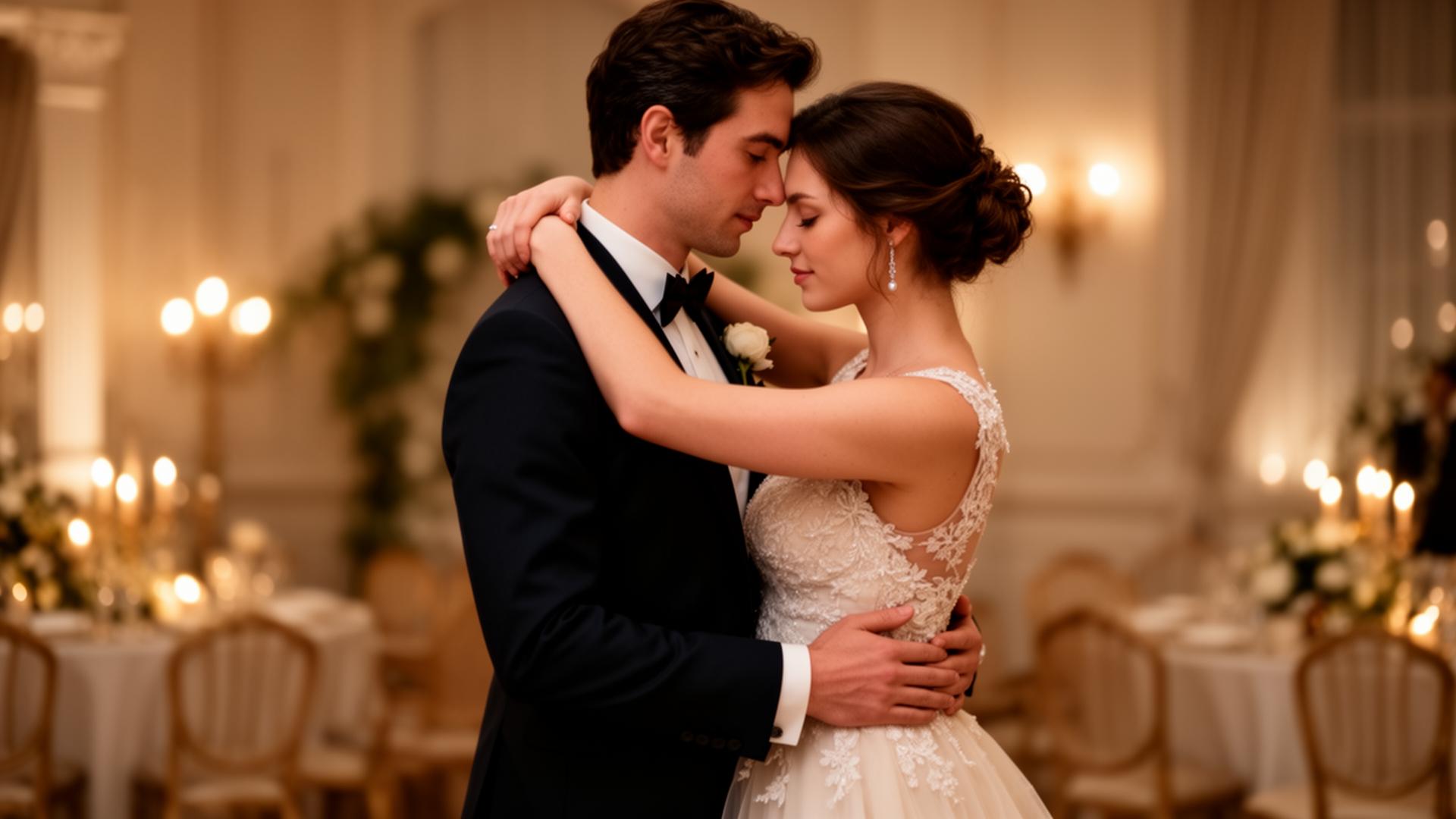
A beginner-friendly guide to slow dancing for weddings and special events. Learn natural holds, easy steps, and smooth movement you can use in any slow song.
Slow dancing is one of those moments everyone expects you to "just know" — but most adults never actually learned how to do it. So when a slow song comes on at a wedding, concert, or date night, you're left hoping your partner doesn't notice that you're trying to figure it out in real time.
The good news?
Slow dancing is simple.
It's warm, natural, and built around connection — not choreography.
This step-by-step guide will help you feel steady, comfortable, and ready for any slow song, whether you're dancing with a partner or just preparing for an upcoming event.
💛 Why Slow Dancing Feels Intimidating
Most people feel unsure because:
- They don't know where to put their hands
- They don't know how close to stand
- They're not sure which foot to start with
- They worry about stepping on someone
- They don't know what to do after the "sway"
The truth is:
Slow dancing is just simple movement shared between two people.
If you can walk, shift your weight, and breathe, you can slow dance.
How to Hold Your Partner Naturally
There are three beginner-safe holds, depending on comfort:
✔ Close Hold
Gentle, warm, intimate.
Hands on shoulders + waist.
Perfect for partners.
✔ Open Hold
Arms slightly extended, hands connected.
Great for weddings or social dances.
✔ One-Hand Hold
One hand connected, the other relaxed.
Ideal for casual slow songs.
Pick the one that matches your relationship and comfort level.
The Easiest Slow Dance Step (Anyone Can Do It)
Here is the basic step used in modern slow dancing:
Side–Together, Side–Together
- Step to the side
- Bring your feet together
- Step to the other side
- Bring your feet together
This small movement keeps you steady, balanced, and in sync with the music.
90% of slow dancers use this pattern — you just never noticed.
How to Feel the Rhythm
Slow songs usually have a clear, steady beat.
The easiest way to follow it:
- Listen for the "boom" (the downbeat)
- Shift your weight gently with that sound
- Breathe with the music
- Keep your steps small
If your weight matches the beat, your dance feels natural.
Add Simple Rotations (Beginner-Friendly Turns)
Instead of staying in one place, you can slowly rotate with your partner.
Here's how:
- Take small side steps
- Gradually angle your steps
- Rotate in a soft circle
This looks elegant and feels incredibly smooth — without effort.
What to Do With Your Upper Body
Relaxation is key.
Focus on:
- Staying soft in your shoulders
- Keeping your arms comfortable, not stiff
- Allowing natural sway
- Maintaining gentle connection
Your upper body sets the tone for the entire dance.
How to Avoid Common Slow Dance Mistakes
Beginners often:
- Lock their knees
- Look at their feet
- Hold their partner too tightly
- Try to make big movements
- Move off-beat
Instead, focus on:
- Soft knees
- Small steps
- Light connection
- Breathing
- Staying present
Simple fixes, big improvement.
What to Do If You Feel Nervous
If the moment feels overwhelming, try this:
- Keep your eyes on your partner's face or shoulder
- Take slow breaths
- Match your steps to theirs
- Don't think about "doing it right"
Slow dancing is not a performance — it's shared presence.
💍 Perfect for Weddings, Date Nights, and Special Events
This guide works for:
- first dances
- wedding receptions
- anniversary dinners
- romantic moments
- proms
- concerts
- backyard parties
Anywhere there's music, this approach holds up.
⭐ Want Slow Dancing to Feel Comfortable and Natural?
If you want personalized guidance before a wedding or special event, the Slow Dance Experience helps you feel steady, grounded, and prepared for any slow song.
In 60 minutes, you'll learn:
- the exact slow dance style that fits your song
- simple patterns that feel natural
- easy turns that look elegant
- how to move together smoothly
- how to avoid the "awkward sway"
- how to feel at ease in real moments
Frequently Asked Questions
What is the easiest way to slow dance?
The simplest slow dance is a basic box step or gentle swaying with your partner while shifting weight. Hold your partner in a comfortable frame, step side to side or in a small box pattern, and focus on connection rather than complex footwork.
How do I lead or follow in a slow dance?
The lead initiates direction through gentle pressure with their frame and body movement, not by pushing or pulling. The follow responds to these signals. Both partners should maintain a relaxed but connected frame through their arms and hands.
Where do I put my hands during a slow dance?
For traditional slow dancing, the lead places their right hand on the follow back at shoulder blade level, with the left hand holding the follow right hand at about shoulder height. The follow left hand rests on the lead shoulder or upper arm.
How can I make slow dancing feel more natural?
Focus on your partner and the music rather than your feet. Relax your body and breathe. Small confident movements look better than nervous ambitious steps. Our Wedding Experience helps you develop natural movement.